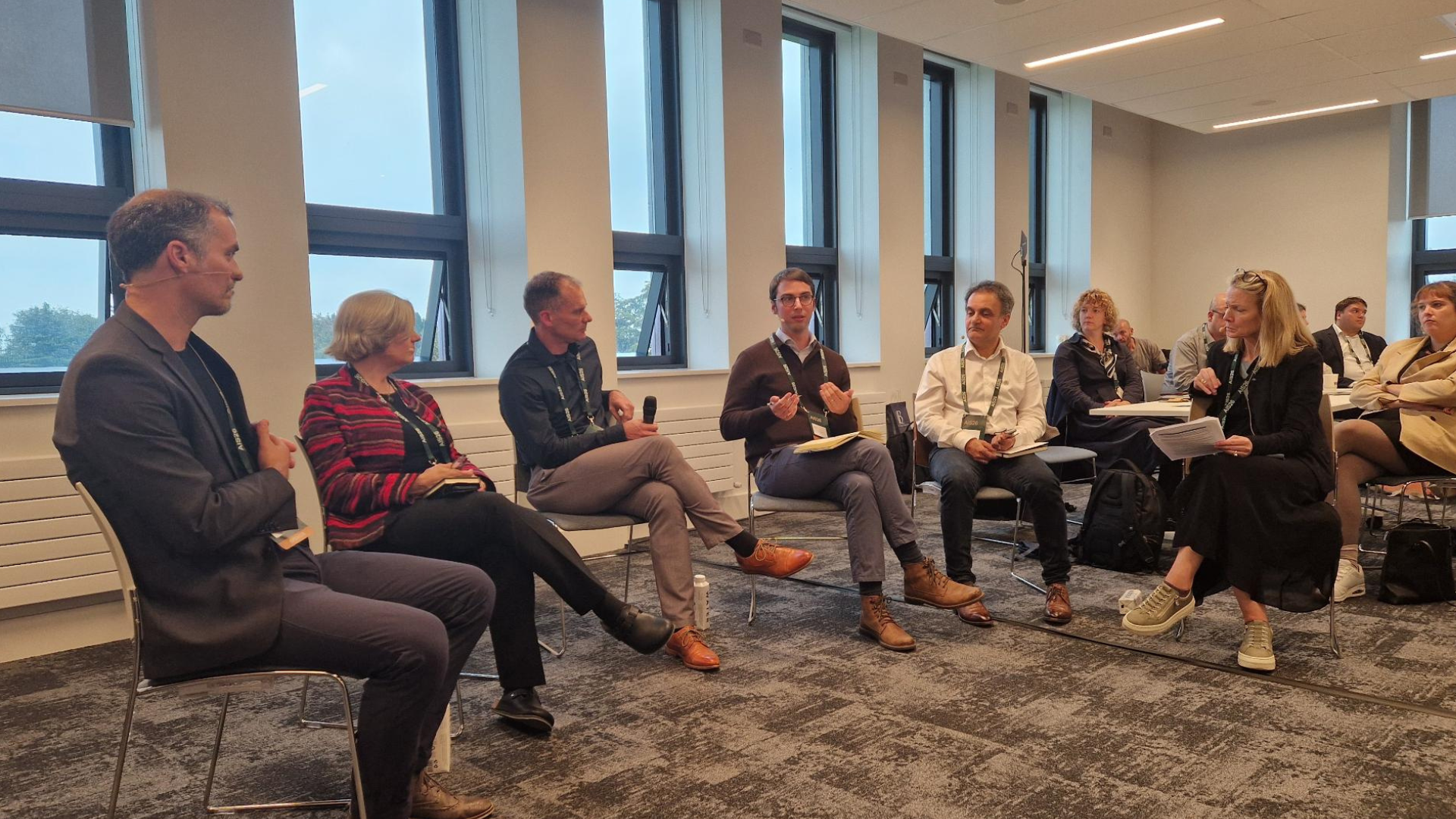
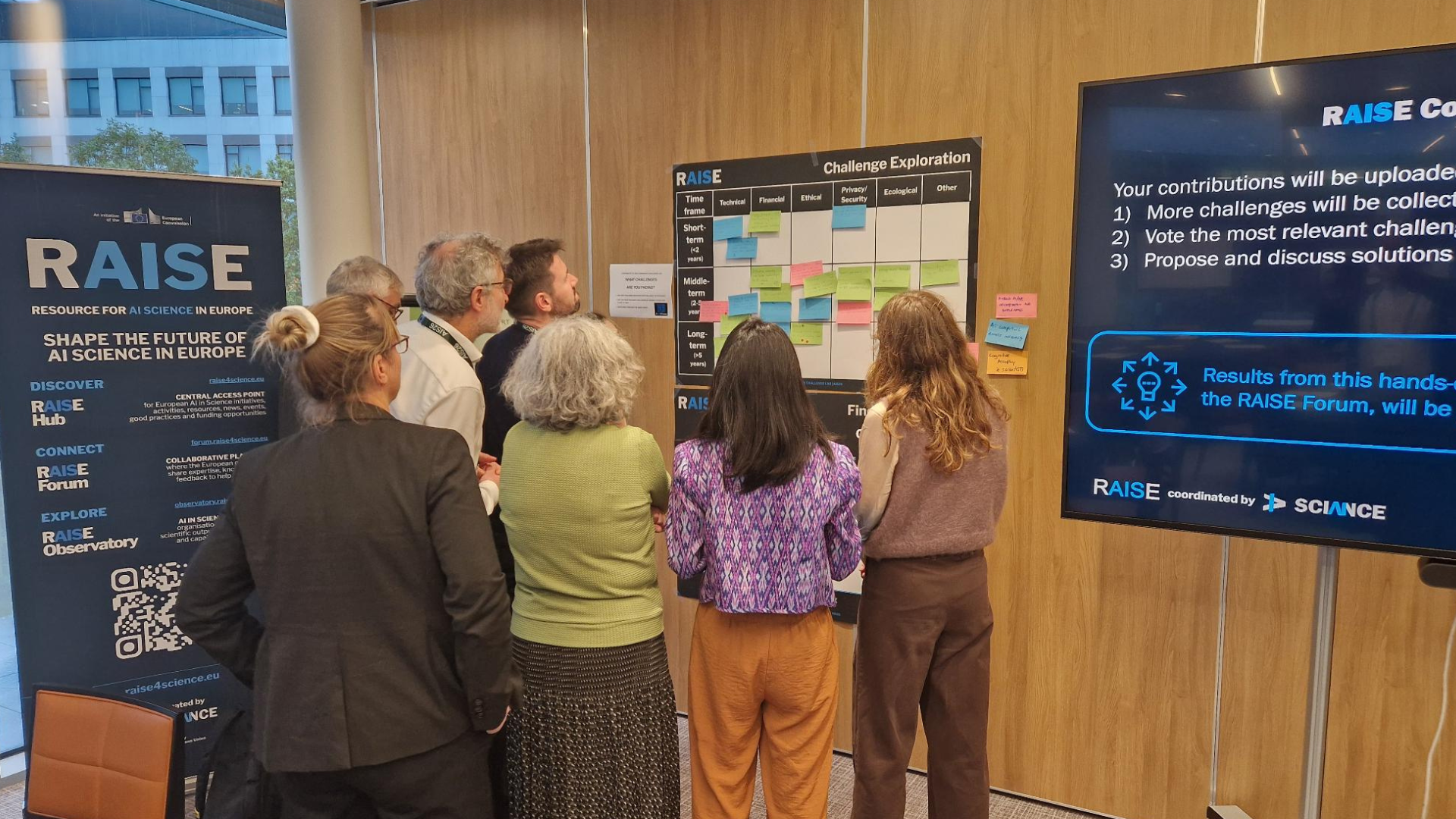
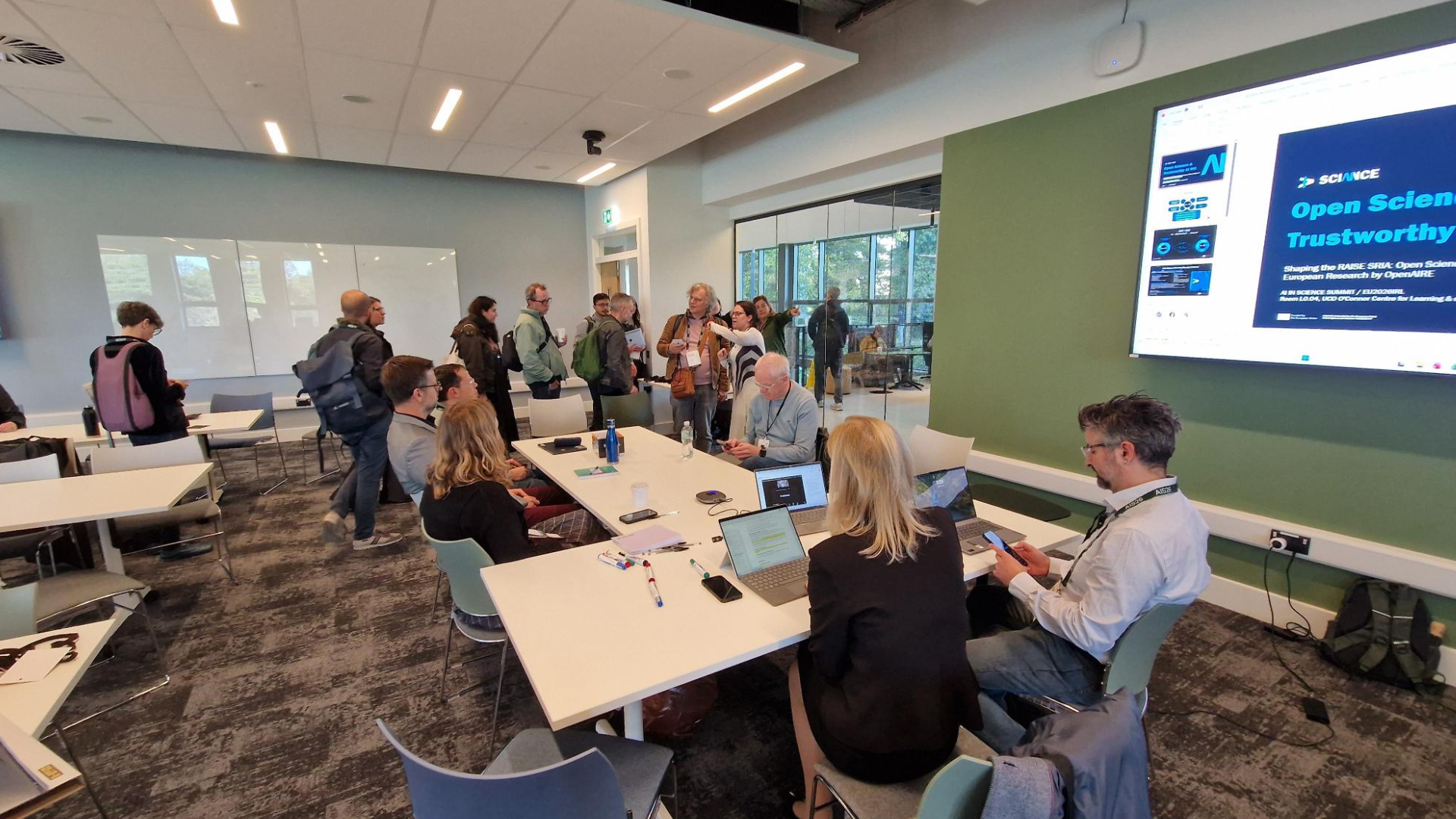
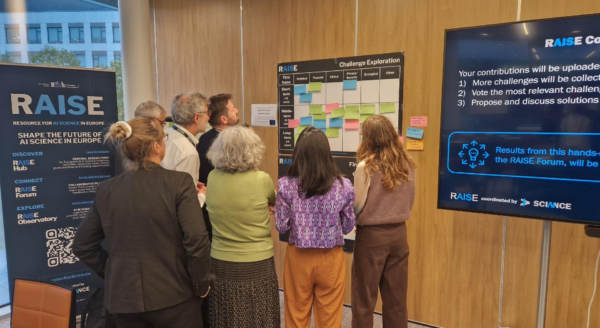
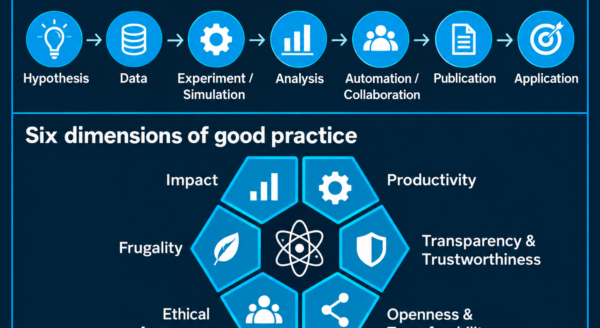
On the second day of the Summit, SCIANCE organised two parallel workshops bringing together researchers from different disciplines and career stages, AI and data specialists, research software engineers, and representatives of research infrastructures. Working in small groups with support from facilitators, participants examined barriers to interdisciplinary cooperation and to open, trustworthy AI for scientific research. Their contributions will inform the development of the Strategic Research and Innovation Agenda (SRIA) for RAISE.
The workshop on Interdisciplinary Cooperation Priorities for AI-Enabled Science, organised by Mariia Snigireva and Mariana Macedo from Constructor University Bremen, highlighted the need for AI training for researchers as the main priority. European systems for research funding, career development, research assessment, infrastructure and regulation remain largely organised around individual disciplines. This training would help researchers identify appropriate uses of AI, apply relevant methods, and critically assess the results.
The workshop on Open Science and Trustworthy AI for European Research, highlighted the need for better documentation and traceability of AI-supported research, clearer accountability and meaningful human oversight, stronger protection of confidential data and intellectual property, practical legal guidance, trusted institutional AI environments, and stronger European coordination around infrastructure, procurement and skills. These community-generated insights are now being consolidated into potential action lines for the RAISE Strategic Research and Innovation Agenda, with further validation and discussion planned through the wider RAISE community. Key messages centred on the need for transparent and traceable AI-supported research, clearer accountability across researchers, institutions and providers, meaningful human oversight, protection of confidential data and intellectual property, practical guidance for applying existing legal frameworks, common documentation and disclosure standards, and stronger European capacity and control over AI infrastructure, models and research data. Participants also highlighted the importance of institutional support, training and trusted tools that make responsible AI use practical for researchers.